
What the best dressed furniture is wearing in 2026
Decorative hardware in 2026 is being chosen with far more attention to detail than before. Finishes, textures, and weight are considered alongside form, allowing hardware to sit more naturally with furniture and cabinetry. This reflects a wider move towards interiors that feel curated and personal, where individual details work together to create character. It also places greater value on how pieces are made, not just how they look, bringing craftsmanship and hand finishing back into focus.
Living Finishes and Thoughtful Use of Mixed Metals
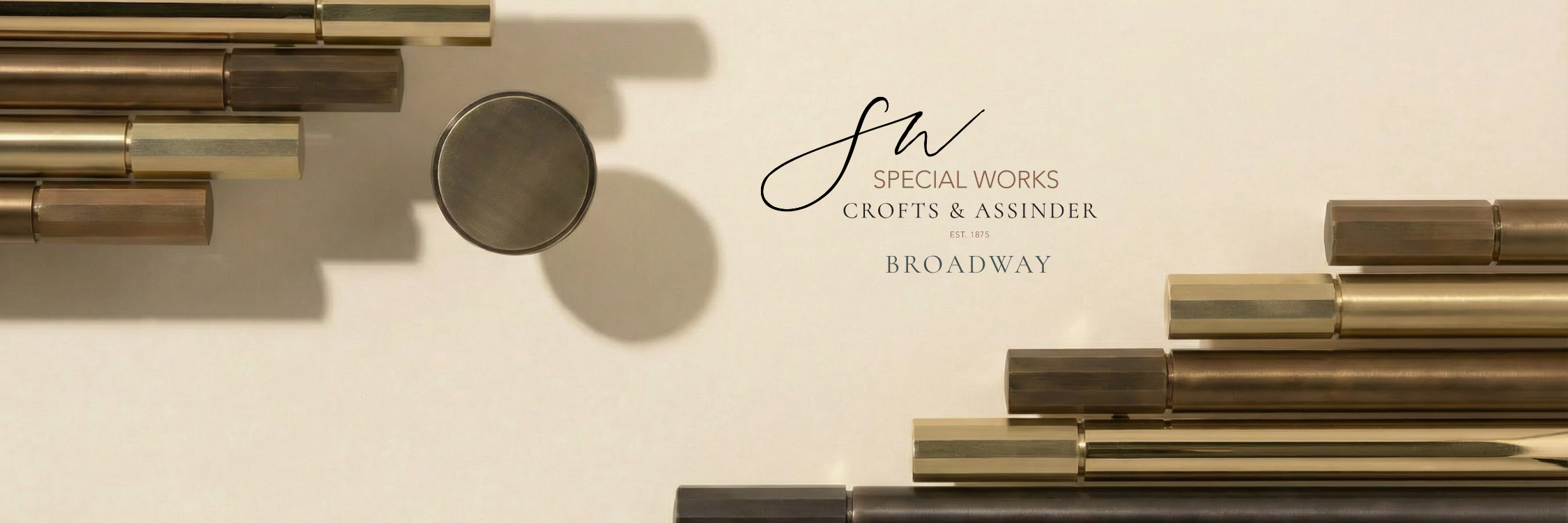
When it comes to decorative hardware in 2026, the way a finish ages has become just as important as its initial appearance. Unlacquered brass and dark bronze are often chosen for the way they change with use, developing a natural patina through everyday touch and exposure to light.
These living finishes bring a sense of depth and honesty to interiors, particularly in settings that favour natural materials and a more relaxed approach to design. Over time, surfaces soften, tones deepen, and subtle variations appear, allowing hardware to sit comfortably within spaces that are designed to change and mature rather than remain pristine.
The use of mixed metals follows a similarly measured approach. Rather than bold contrasts, finishes are combined in a way that feels intentional and restrained. Warm brass may sit alongside cooler nickel or steel, with consistency in form helping different finishes coexist without visual tension. This balance allows hardware to add interest and contrast while remaining cohesive within the overall design.
When handled thoughtfully, mixed metals and living finishes introduce richness without excess. They support interiors that feel layered and personal, where material choice is guided by longevity, usability, and how pieces will age together over time.
Tactile Texture in Decorative Detailing
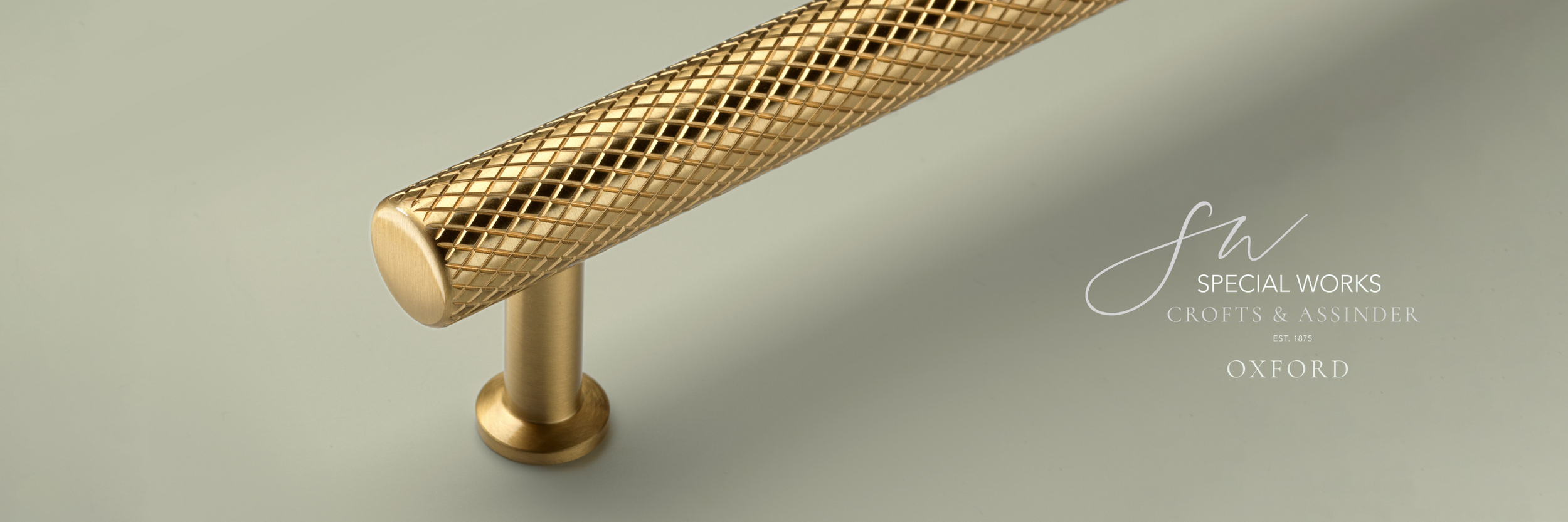
Knurling brings a sense of purpose to hardware. The pattern offers grip and weight, making handles comfortable to use in everyday settings such as kitchens, wardrobes, and storage furniture. At the same time, the repetition of the form introduces subtle rhythm and shadow, giving even simple designs more presence.
The knurling seen in 2026 is noticeably softer than its industrial roots. Larger diamond patterns and carefully balanced proportions create a more refined feel, less mechanical, more decorative. When paired with warm metal finishes, this type of detailing feels elegant rather than utilitarian, lending itself to furniture where tactility and appearance are equally important.
Over time, these details become part of how a piece is experienced rather than simply noticed. Knurled hardware adds a quiet sense of luxury through touch, weight, and material choice, reinforcing the idea that well-made furniture is defined by how it is used as much as how it looks.
Softer Forms and Sculptural Silhouettes
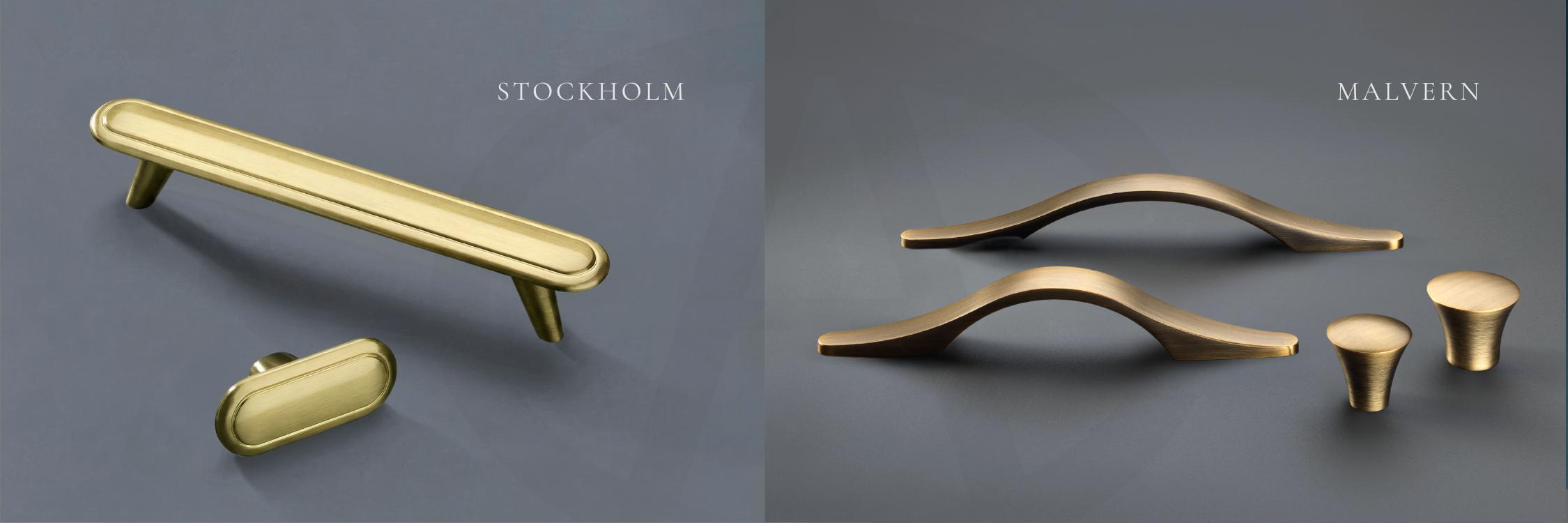
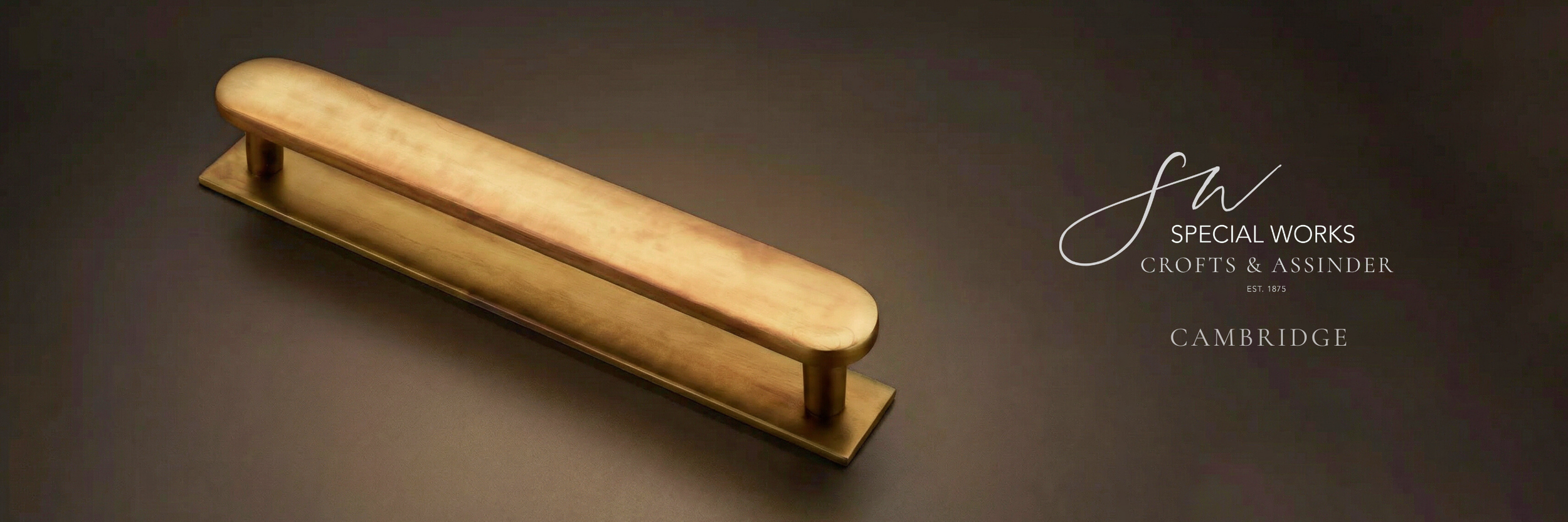
Rounded forms continue to appear more frequently in decorative hardware for 2026, creating a quieter, more relaxed mood for furniture and cabinetry. Curved handles and softened profiles feel less rigid than the sharper lines of recent years, lending themselves to interiors that favour comfort and longevity over precision.
On cabinetry and furniture, these softer silhouettes add a subtle sculptural quality. Light falls differently across curved surfaces, creating gentle shifts in tone and shadow that give hardware more presence without making it the focal point. This works particularly well alongside darker finishes, textured materials, and natural surfaces, where contrast comes from shape rather than shine.
Because of their familiarity and restraint, curved forms sit comfortably across a wide range of interiors. Whether paired with contemporary joinery or more traditional furniture, they help hardware feel settled and considered, contributing to the overall character of a piece without drawing attention away from it.
A Return to Craft and Hand-Finished Detail
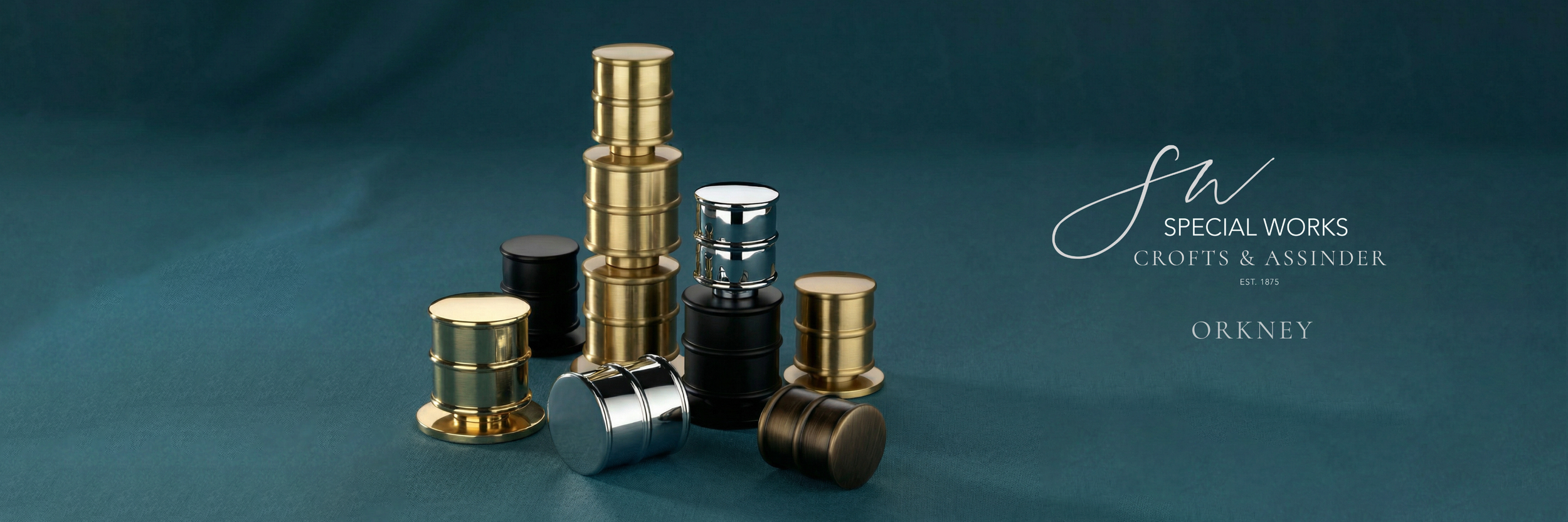
Hand-finished pieces bring a softer quality to surfaces, with gentle variation, eased edges, and finishes that change naturally over time.
These details add depth and tactility to furniture and cabinetry, particularly when paired with natural materials such as timber and stone. Rather than aiming for uniformity, the emphasis is on hardware that feels well made and comfortable to live with, designed to age alongside the space. This approach also extends to bespoke hand-finishing, where each piece is completed individually and surface variation forms part of its character. In these cases, hardware feels more closely connected to the furniture or project it is made for, rather than something simply selected from a standard range.
For projects that require a more individual approach, bespoke hand finishing allows details to be tailored to the space and how it will be used.
Wood and Curated, Lived-In Interiors
Darker wood tones are increasingly shaping the look of furniture in 2026, and decorative hardware is being chosen to work with this shift rather than compete with it. Walnut, stained oak, and deeper colours are appearing across kitchens, freestanding furniture, and joinery, creating a richer backdrop for handles and knobs.
Against these darker finishes, hardware tends to feel warmer and more understated. Antique brass, dark bronze, and aged metal finishes sit comfortably against timber, adding contrast without feeling overly decorative. The emphasis is less on shine and more on tone, weight, and how the hardware feels in the hand.
Furniture in 2026 is designed to feel lived in and settled, rather than styled for effect. Hardware reflects this approach, with forms that are simple, familiar, and well-proportioned. Handles and knobs are chosen for how naturally they sit on furniture, helping to define doors and drawers without drawing attention away from the material itself.
This more curated approach allows furniture to feel personal and enduring. When hardware is selected with the same care as the wood it sits on, it becomes part of the furniture’s character rather than a separate detail.
Choosing Decorative Hardware for 2026 Interiors
Considering decorative hardware alongside finishes and materials allows furniture and joinery to feel more considered. Details such as form, texture, and finish quietly influence the character of a space.
With over 150 years of experience in decorative hardware, our work is shaped by a well-estabilished understanding of material, proportion, and craftsmanship. We’re here to help guide those choices, whether you’re refining details for a single piece of furniture or working across a larger project.